
How to specify calcium silicate board
What a calcium silicate fire board clause has to state, from the tested system and board thickness to moisture exposure and fixings, and how to write it in CAWS and in Uniclass.
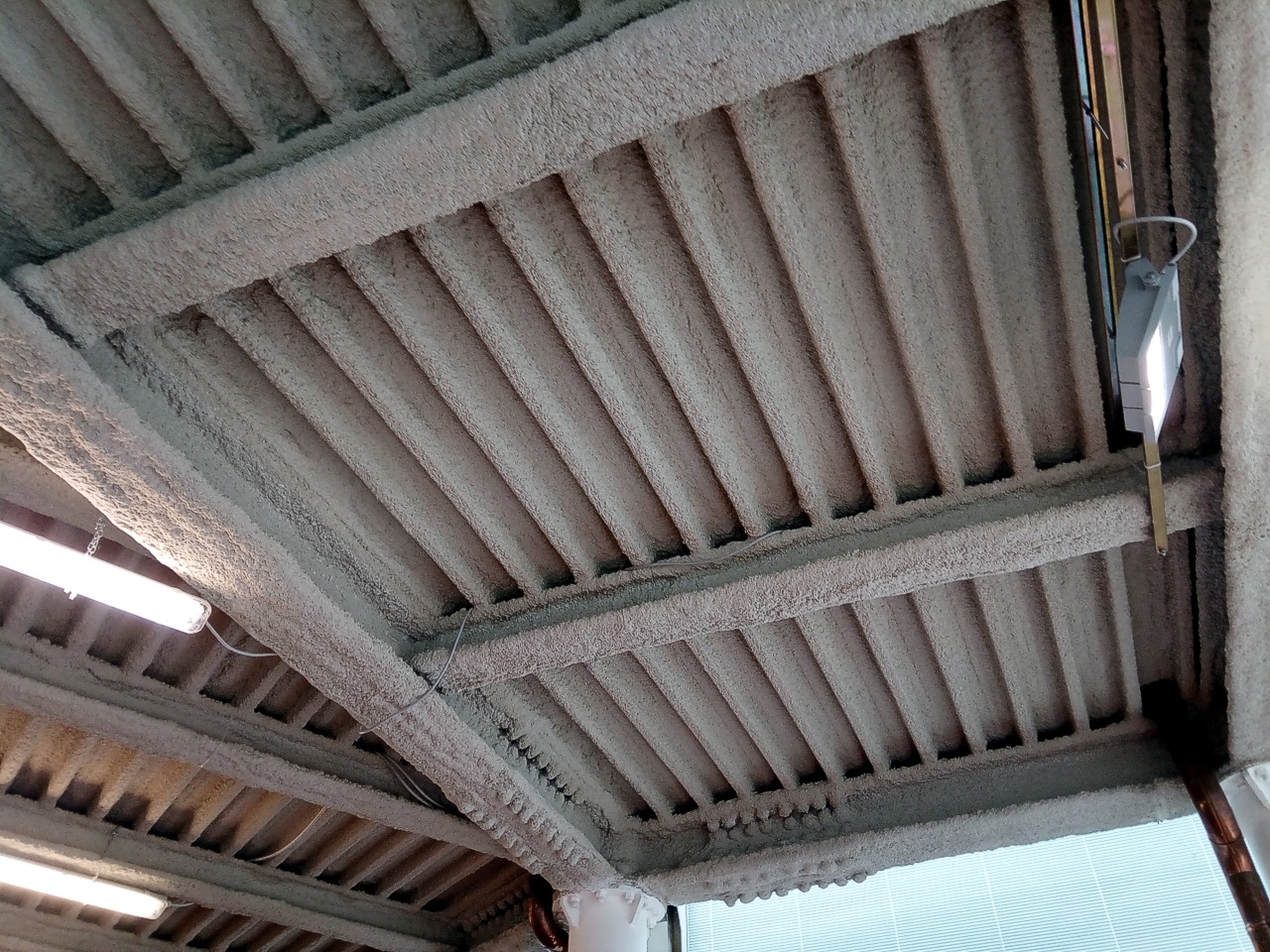
Photo: A7N8X, CC BY-SA 4.0, via Wikimedia Commons.

How do you specify calcium silicate boards?
To specify calcium silicate board for fire protection, start from the element being protected, steel member, duct, partition or soffit, and name a manufacturer's system tested for that use, with fire resistance to BS EN 13501-2 and, for steel, a board thickness taken from the BS EN 13381-4 assessment for the section factor and limiting temperature the engineer gives. Then state the board's reaction to fire class, its suitability for the exposure, the framing and fixings, and how joints and penetrations are sealed.
Calcium silicate board is bought for its fire performance, but the board on its own has none in the sense the fire strategy means. What the strategy asks for is a beam that keeps its load for 90 minutes, or a duct that does not let fire through a compartment wall for an hour. Those come from a tested system: a particular board, at a particular thickness, on a particular frame, fixed in a particular way, around a particular element. A clause that says "two layers of 12 mm calcium silicate board" without the system behind it has nothing to check it against.
This guide covers Uniclass Pr_25_71_80_24 Fibre-reinforced calcium silicate fire protection boards. The general-purpose version, used for linings and soffits where fire protection is not the main reason, is Pr_25_71_80_23 Fibre-reinforced calcium silicate boards, and vermiculite and magnesium silicate boards have their own codes beside them.
What does a calcium silicate board clause need to cover?
Some properties are specific to calcium silicate boards. Others belong in every product clause. A clause that leaves either out gives the contractor room to substitute.
Properties of calcium silicate boards
- FixingsScrews, staples, steel angles or noggins as tested.
- Reaction to fire classificationNever guessEuroclass to BS EN 13501-1, including any facing or coating.
- Fire resistanceNever guessR, EI or E S period for the protected element, as tested.
- DensityDifferent densities suit steel, ducts or impact areas.
- FinishSanded, primed or left for decoration.
- Moisture resistanceInternal, semi-exposed or external use, and construction exposure.
- Edge treatmentSquare edges for butt joints, or tapered for jointing.
- Nominal sizeSheet size sets joint positions on long members.
What every product clause needs
- Manufacturer and product referenceBoard named in the tested system, not a generic board.
- Product standardEuropean or UK Technical Assessment and declaration of performance.
- Installation methodFraming, fixings and joint details exactly as tested.
- Technical submittalsClassification reports and thickness tables for each use.
- Operation and maintenance informationHow later penetrations and repairs keep the rating.
- MaterialFibre-reinforced calcium silicate.
- ThicknessFrom the system tables for the element and period.
Uniclass Pr_25_71_80_24 Calcium silicate board. Not every property applies to every project; where one does not, say so rather than leaving it blank.
Fields marked Never guess (reaction to fire classification and fire resistance) depend on the project and should never be filled from a default or a previous job. If the information is not available yet, the clause should say so with a TBC and a reason.
Which decisions does the clause depend on?
Most properties follow from the product you choose. These depend on the project, so they need a decision from the designer before the clause is written.
- 01
Fire resistance and the tested application scope
Never guessCalcium silicate boards are used to protect steel, to build fire-resisting ducts, to line partitions and to protect soffits, and each use has its own test standard and its own classification. A board system tested as steel protection to BS EN 13381-4 says nothing about a duct, which is tested to BS EN 1366-1, or a partition tested to BS EN 1364-1. The tested application scope also covers orientation, maximum size, the frame behind and the exposure from one or more sides. Writing "60 minutes" against a board, with no element and no test, is the most common gap in these clauses.
How to decide
- List each element the board protects and the period and criteria the fire strategy sets for it (R, EI, E S and so on).
- For each, ask the manufacturer for the classification report covering that element and configuration.
- Check maximum dimensions, such as duct size or partition height, against the drawings.
- Where the configuration falls outside the tests, get a written assessment from an accredited body before tender.
Write it asFire resistance: R 90 to BS EN 13501-2 for steel members, board system assessed to BS EN 13381-4. Tested application scope to cover four-sided column and three-sided beam encasement as drawings. - 02
Thickness for steel: section factor and limiting temperature
Board thicknessOn structural steel, the board thickness depends on the fire resistance period, the section factor of each member and the limiting steel temperature the structural engineer allows. Heavy sections need less protection than light ones, so a single thickness for all steel either wastes board or under-protects the slender members. Manufacturers publish thickness tables from their BS EN 13381-4 assessment, and the ASFP Yellow Book explains section factors and how assessed data is used. The engineer should give the limiting temperature per member or confirm a default.
How to decide
- Get the steel schedule with section sizes and the limiting temperature from the structural engineer.
- Decide whether each member is protected on three or four sides; it changes the section factor.
- Ask the protection contractor to submit a thickness schedule per member from the assessed tables.
- Check board protection against intumescent coating where steel is exposed to view or space is tight.
Write it asThickness: Per member from manufacturer's BS EN 13381-4 assessment for section factor, exposure and limiting temperature as structural engineer's schedule. Submit thickness schedule. - 03
Reaction to fire class
Never guessCalcium silicate boards are usually non-combustible, class A1 to BS EN 13501-1. That is often why they are chosen, for example where a lining has to be A2-s1,d0 or better. But faced, coated or decorated versions can have a different class, and older specifications and data sheets still quote "Class 0" or BS 476 test results. Those are not a Euroclass. Ask for the BS EN 13501-1 classification of the board as it will be supplied, including any primer or facing.
How to decide
- Check what class the fire strategy sets for the surface the board forms.
- Ask for the Euroclass of the board as supplied, not of an unfaced sample.
- Replace any Class 0 or BS 476 wording in old masters with the Euroclass.
- Where a decorative finish goes over the board, check the finish's own class too.
Write it asReaction to fire: Class A1 to BS EN 13501-1, as supplied including any factory primer. - 04
Moisture during construction and in use
ExposureSome calcium silicate boards are made for dry internal conditions only, others tolerate humid rooms, and a few can be left exposed to weather for a limited time during construction or used externally. Steel protection is often fixed before the building is watertight, and boards that get soaked can lose strength or warp. The manufacturer's limits on exposure, the need to seal cut edges and whether the board can be used in car parks, plant rooms or external soffits all need to be checked against where it goes.
How to decide
- Map where the board goes: internal dry, humid, semi-exposed or external.
- Ask the manufacturer for the exposure limits during construction and in use.
- Programme board protection after the envelope where the board cannot take weather.
- Specify sealing of cut edges where the manufacturer requires it.
Write it asMoisture resistance: Suitable for semi-exposed use in car park soffits as manufacturer's data. Cut edges sealed as manufacturer's instructions. - 05
Penetrations, junctions and later work
JunctionsA board casing or duct is only as good as its weakest junction. Where services pass through, where a casing meets a fire-resisting wall, or where a beam casing meets the slab, the gap has to be sealed with a product tested with that board system. These are the places where trades arriving later cut holes and leave them. The clause should make the protection contractor responsible for the junctions in their package and say who seals penetrations made afterwards.
How to decide
- Identify every junction and penetration on the fire strategy and protection drawings.
- Ask for tested or assessed details for each type of junction with that board system.
- Assign responsibility for sealing later penetrations in the specification, not just in meetings.
- Label casings and ducts so later trades know they are fire protection.
Write it asJunctions and penetrations: Sealed with products tested with the board system, details as manufacturer. Penetrations by others: Sealed by protection contractor as fire stopping clause.
The values under "Write it as" are examples. The right value depends on the location, the use and the fire strategy.
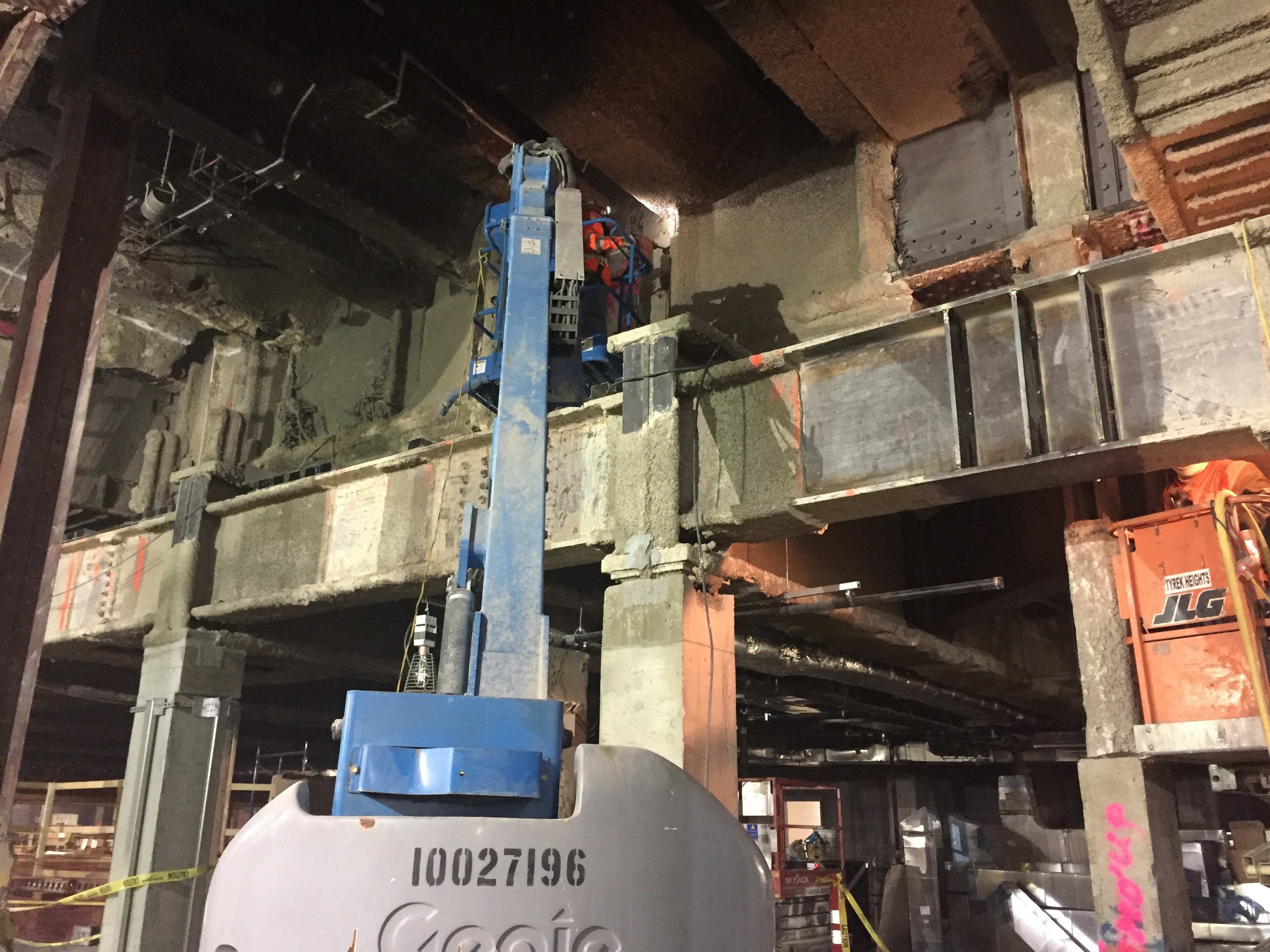
Photo: MTA Capital Construction Mega Projects, CC BY 2.0, via Wikimedia Commons.
_(47952892891).jpg)
Which standards should the clause cite?
Cite the product standard the declaration of performance refers to, the code of practice for installation, and the test method behind each value you set. A value without its test method cannot be checked against a submittal.
- BS EN 13501-1
- Fire classification of construction products and building elements. Classification using data from reaction to fire tests
The Euroclass of the board itself, usually A1 for calcium silicate.
In the clause "Reaction to fire: Class A1 to BS EN 13501-1."
- BS EN 13501-2
- Fire classification of construction products and building elements. Classification using data from fire resistance and/ or smoke control tests, excluding ventilation services
The R, E, I and other criteria and periods for the element the board protects.
In the clause "Fire resistance: R 90 to BS EN 13501-2."
- BS EN 13381-4
- Test methods for determining the contribution to the fire resistance of structural members. Applied passive protection products to steel members
The test and assessment that produce board thickness tables against section factor and steel temperature.
In the clause "Thickness: From manufacturer's assessment to BS EN 13381-4."
- BS EN 1366-1
- Fire resistance tests for service installations. Ventilation ducts
The test for fire-resisting ductwork, including self-supporting board ducts.
In the clause "Fire-resisting duct: Tested to BS EN 1366-1, classified EI 60 (ve ho) S to BS EN 13501-3."
- BS EN 1364-1 and BS EN 1364-2
- Fire resistance tests for non-loadbearing elements. Part 1: Walls. Part 2: Ceilings
Tests for board partitions and independent ceilings, where calcium silicate board forms the element.
In the clause "Partition: Tested to BS EN 1364-1, EI 60 to BS EN 13501-2."
- ASFP Yellow Book
- Yellow Book: Fire protection for structural steel in buildings (Association for Specialist Fire Protection)
UK guidance on passive protection to steel, including section factors and the use of assessed thickness data. The 6th edition is being issued in volumes from 2025, so check which edition and volume the submittal relies on.
In the clause "Design of board protection: To the current ASFP Yellow Book, using manufacturer's assessed data."
Confirm the current edition of each standard at every issue. Avoice's State of UK Specifications 2026 found a withdrawn standard cited in 40% of specifications at contract issue.
For the regulations behind these choices, see Approved Document B explained, Fire strategy reports explained, or search the Avoice Regulations library.
How do you write it in CAWS?
Fire protection boards are written in CAWS section K11, which covers rigid sheet linings and casings. Each use gets its own fire protection board type clause, here 885, describing the substrate, the board, its fire rating, thickness and edges, and how it is set out and fixed. General K11 clauses on fixing and joints apply to all of them.
The fire stopping at junctions and penetrations is usually in P10, and fire-resisting ductwork may sit with the mechanical specification. Point to those clauses from the K11 type clause, so the casing, the duct and the seals around them are written once and match the same tested system.
- Description
- Four-sided board encasement to steel columns, levels 1 to 4
- Drawing reference
- Fire protection layout and structural steel schedule
- Substrate
- Universal column sections as structural engineer's schedule
- Board
- Fibre-reinforced calcium silicate fire protection board
- Manufacturer
- Submit proposals
- Product reference
- Submit proposals
- Fire rating
- R 90 to BS EN 13501-2, assessed to BS EN 13381-4
- Reaction to fire
- Class A1 to BS EN 13501-1
- Thickness
- TBC Structural engineer has not issued limiting steel temperatures. Resolve before the thickness schedule is submitted.
- Edges
- Square
- Setting out
- Joints staggered between layers and away from column corners, as tested system
- Fixing to supports
- Steel angles and screws or staples at centres as tested system
- Joint treatment
- As manufacturer's tested details
- Junctions
- At slab and walls, sealed as P10 fire stopping clause
- Installer
- Third-party certificated for passive fire protection
Illustrative, not from a real project. One property is left as a TBC with a reason so it can be tracked and closed before issue.
Clauses the type clause relies on
- K11/960
- Fixing generally Boards fixed securely to each support, true to line and without distortion.
- K11/980
- Open joints Temporary packings removed and joints formed as the system requires.
- K11/P10
- Fire stopping Seals at junctions and around penetrations, tested with the board system.
- K11/M61
- Intumescent coatings for fire protection of steelwork The alternative for exposed steel; make sure no member is in both sections.
Clause numbers vary between NBS versions and practice masters. The 885, 960 and 980 numbers follow published NBS-based K11 specifications; check them against your own K11.
How do you write it in Uniclass?
In Uniclass, board protection to steel is written as the system Ss_25_25_45_68 Rigid sheet casing systems, which is how manufacturers' board encasement systems are classified. The system clause carries the fire resistance of the protected member, the members it applies to and the junction details. The board is a product clause under Pr_25_71_80_24.
Board thickness belongs to the system rather than the product, because it depends on each steel member. Keep a thickness schedule as part of the system clause and let the product clause hold the board's own properties: class, density, moisture resistance, size and edges.
- Description
- Four-sided board encasement to steel columns
- Board
- Pr_25_71_80_24 Fibre-reinforced calcium silicate fire protection boards (FB01-B)
- Fire resistance
- R 90 to BS EN 13501-2
- Evidence
- Manufacturer's BS EN 13381-4 assessment
- Thickness
- Per member, from assessed tables, submitted as schedule
- Framing and fixing
- As tested system
- Junctions
- Sealed with products tested with the system
- Installer
- Third-party certificated
- Manufacturer
- As tested system
- Product reference
- Submit proposals
- Evidence
- Technical Assessment and declaration of performance
- Reaction to fire
- Class A1 to BS EN 13501-1
- Moisture resistance
- TBC Programme does not yet show whether boards are fixed before the envelope is closed. Resolve before the board grade is chosen.
- Edges
- Square
- Size
- Manufacturer's standard sheet
- Finish
- Sanded, ready for decoration where exposed
Illustrative. Performance of the finished system sits in the system clause; properties of the product sit in the product clause.
In NBS Chorus the board product clause also carries an NBS reference (here 45-45-50/350); use one referencing system throughout the specification.
What goes in the spec, and what goes in the schedule?
The specification defines each type once. The schedule and drawings say where each type goes.
In the specification
What the product is and how it performs and is installed. Written once per type.
In the schedule or drawings
Where each type goes and how much of it. Changes with every plan revision.
Keep a steel protection schedule that lists every member with its section, exposure, fire period and board thickness. The clause sets the rules; the schedule is where the contractor's submittal is checked line by line.
What are the common mistakes?
Most problems are a missing property, a property filled with the wrong kind of value, or a decision left silently open.
- A board specified with no element. "60 minute board" means nothing on its own. Name the element, the period and the test that covers it.
- One thickness for all steel. Section factors vary member by member. Ask for a thickness schedule from the assessed tables, not a single figure.
- Class 0 in the clause. Old masters still quote Class 0 or BS 476. Use the Euroclass to BS EN 13501-1 instead.
- Steel test data used for a duct. Ducts, partitions and steel protection are tested to different standards. Each use needs its own evidence.
- Boards left out in the rain. Many boards are for dry use only. Programme the work after the envelope, or choose a grade rated for the exposure.
- Penetrations left to others. Services cut through casings after handover of the package. Say who seals later penetrations and how.
How Avoice helps
Avoice's spec writer drafts calcium silicate board clauses from your fire strategy and steel information, and flags what still needs confirming.
- Drafts from your drawings and schedules
It reads the fire periods from the fire strategy drawings and the protected elements from the structural and services information, picks K11 or the Uniclass casing system, and writes one type clause per use.
- Leaves a TBC where the engineer has not answered
If limiting steel temperatures or exposure during construction are unknown, the thickness or moisture line says TBC with the reason, and it goes into the project TBC register to close before tender.
- Writes in your format and your style
CAWS or Uniclass, adapted from your practice's own K11 masters rather than generic text.
- Checks the clause against everything else
QA/QC flags a Class 0 reference left in a master, a board clause citing BS 476 where a Euroclass is needed, or a duct shown as fire-resisting on the M&E drawings with no clause behind it.
- Keeps product data in one place
Classification reports, assessments and thickness tables sit in the Product Room, linked to each clause, so a substitute board can be checked against the tested use.
Related guides: How to specify intumescent paint, How to specify fire stopping, How to specify cement boards.
Software can draft and check. The designer still chooses the product and is responsible for the specification.
Draft your calcium silicate board clause in Avoice
Upload your drawings and schedules. Avoice drafts the clause in CAWS or Uniclass, cites the standards and flags anything your information does not settle.
This guide is for general education and is not professional advice. Check current editions of standards and Approved Documents, the manufacturer's data, and the requirements of your project before relying on any clause.